





Day One:
Sarah Zagorski: And through that suffering, that’s when I encountered the Savior of Isaiah 53, the suffering Savior who reached out to me in a radical way in that suffering. And, um, that changed the course of my very life. In that place of vulnerability and that place of pain, um, I learned He really, Jesus, His humanity, understands this suffering.
John Fuller: That’s Sarah Zagorski, and she has an amazing inspiring story about God’s hand in her life through very difficult circumstances. You’ll hear about God’s redemption in her life and her family’s life on today’s episode of Focus on the Family with Jim Daly, and I’m John Fuller.
Jim Daly: Yeah, John, today, we’re gonna talk about one of the most difficult issues in the culture, abortion. But what we’re approaching this through is a deeply personal story of survival, compassion, and redemption. And our guest is Sarah, and I’m looking forward to the story and the unfolding of her story. It’s gonna inspire you and hopefully give you hope, especially moms who are thinking about abortion or, you know, whether or not uh, having this child is gonna be the right thing to do. I think she’ll make a powerful case for why the answer is life.
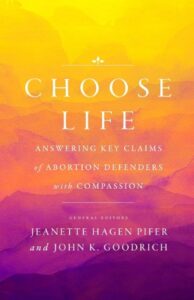
John: Yeah. Sarah serves as the Senior Director of Public Relations and Communication at Americans United for Life and frequently speaks and even testifies before Congress and in state legislatures about, uh, Born Alive Infant Protections, and she’s contributed to a book that includes her story. It’s called Choose Life: Answering Key Claims of Abortion Defenders with Compassion. And, uh, you can learn more about Sarah and this resource, this very powerful book, when you call 800, the letter A, and the word FAMILY, or stop by focusonthefamily.com/broadcast.
Jim: Sarah, it is a privilege to have you with us here on Focus on the Family. Thanks for coming.
Sarah: I’m very delighted to be here. Thank you so much for having me.
Jim: Yeah, yeah, it’s, it’s really … I got a big smile on my face because you were an intern here at Focus on the Family in 2010, right?
Sarah: 2010.
Jim: How amazing now all these years later, you’re like out there telling your story, you know, participating and writing this great book, and you’re standing up for life. I’m proud of you. Way to go.
Sarah: Thank you. Thank you.
Jim: And I think people are gonna hear, uh, you know, why that is such a big deal as we unfold your story. Let’s bring your mom into this.
Sarah: Mm-hmm.
Jim: Before you’re born, what kind of environment is she in and let’s, you know, make sure people understand what trouble some of these women are truly in.
Sarah: Sure. My mother was a beautiful person and, she immigrated to America from Honduras fleeing an abusive father actually with her sister. And upon arrival here, she quickly married her first husband who was abusive to her. And then, um, they divorced and she got involved with another, unfortunately, predatory type individual, uh, in her life. And, um, she had very little education. She was diagnosed, um, in her life with paranoid schizophrenia. Um, and she was really marginalized because of her race and because of her poverty, both things together.
And, um, so she was, uh, really a woman who suffered greatly and not just because of her mental illness, but because of the individuals in her life that abused her, that took advantage of her.
Jim: Yeah.
Sarah: That preceded before I was even here.
Jim: Yeah.
Sarah: Right? So, um, that was what her life looked like before I even arrived. Um, so when I look at my story today, I have such compassion for her and more context and understanding what led her to the abortion decision with me.
Jim: Which, again, is so good for all of us to hear ’cause it, you know, we are all in to save that baby’s life, but we don’t always recognize the difficulty that women are in financially and emotionally.
Sarah: Mm-hmm.
Jim: So, it does paint that picture in a way that gives empathy …
Sarah: Mm-hmm.
Jim: … to what she was facing. So, she becomes pregnant with you.
Sarah: Mm-hmm.
Jim: Um, paint that picture. How many siblings do you have at the … You know, you’re in her womb, but how many siblings were there?
Sarah: So, I wa… At that time, she already had seven pregnancies with a set of twins included.
Jim: Mm-hmm.
Sarah: Um, and her pregnancy with me was the result of an affair, uh, with a prominent member of the Greater New Orleans community who seemed to have provided her, um, some kind of relief from her suffering, some kind of security from her …
Jim: Yeah.
Sarah: … suffering. Um, but upon learning that she was pregnant, he was out of the picture and, um, I entered, you know, that was my conception and that was what I learned from her directly about my conception.
John: Mm-hmm.
Jim: Yeah.
Sarah: Yeah.
Jim: And again, that context to fill in some of that, I mean, you’ve got seven siblings.
Sarah: I have 11.
Jim: 11.
Sarah: Yeah.
Jim: But seven ahead of you.
Sarah: Yes. Yes.
Jim: So, you’re coming into that world, um, she’s alone?
Sarah: Yes.
Jim: There’s no husband or father-
Sarah: Well, she returned to her, um, her husband at that time, my stepfather …
Jim: Okay.
Sarah: … at that time. Yes.
Jim: So, y- she’s thinking abortion.
Sarah: Yes.
Jim: And describe that decision process for her, and then we’ll get into what actually happened.
Sarah: Sure. So, she, uh, was a woman familiar with abortion. She had two previous abortions in her past and those abortions she regretted. She had a lot of grief over, but she felt she had no other choice, uh, right? She couldn’t afford the children she already had. She-
Jim: They were living in poverty.
Sarah: Yes. They were living …
Jim: Yeah.
Sarah: … in, below the federal poverty level, dire poverty. And not only that, but she had abusive individuals in her house. So when someone is in that kind of position, we have to consider that, that scenario very specifically because that woman is weighing, “I have a dangerous home here, I have a place where I can’t even feed my children,” so it’s very easy to believe the lie and be deceived that abortion is the choice to make, right?
Jim: Yeah.
Sarah: The only choice to make. Um, and we can talk about coercion, we can talk about a lot of things in that, but for me, what I understand is oppression can lead someone to sin. Oppression can lead someone. Uh, it doesn’t justify sin, it doesn’t justify abortion, but those things were the realities of her very life …
Jim: Yeah.
Sarah: … every single day.
Jim: So, she goes in for this abortion. What takes place?
Sarah: So, she-
Jim: With you.
Sarah: Yeah. She went to, um, an abortionist, his name is Dr. Okpalobi. And he was known for helping low-income women, uh, uh, minority women. And, um, he … You know, that was his, um, you could say reputation in the city of New Orleans, and she went to him and he performed what’s called an induction style abortion with me, um, which is a kind of abortion where they induce the child early, uh, in order to ensure fetal demise. And, um, thankfully at that time in, uh, his career, um, he was under review in the, uh, in 1989 for performing a botched abortion procedure where he left a woman with a partial hysterectomy, so he was already under review by Louisiana’s Medical Board.
So, upon my delivery, um, from that induction, um, I wasn’t breathing, and he told my mother, “She’s gonna be a mental vegetable. You should leave her to die. She hasn’t had oxygen, you know, just leave her to die.” And in that moment, the most improbable heroine, my mother, uh, said, “I’m gonna sue you if you don’t get her life sustaining care.” And-
Jim: This is right there in the abortion.
Sarah: Right there.
Jim: You’re on the table.
Sarah: Right there on the table.
Jim: How … Where were you at in development? Gestation?
Sarah: 26 and a half weeks.
John: Mm-hmm.
Jim: So just over … You know, you were …
Sarah: Yes. Yes.
Jim: … just in that viable category …
Sarah: Mm-hmm.
Jim: … at about 20 …
Sarah: Mm-hmm.
Jim: … 22 weeks, so.
Sarah: Yes.
Jim: Wow. So, she convinced the doctor begrudgingly, the doctor …
Sarah: Yeah, and she in fact-
Jim: … responded, yeah.
Sarah: Yeah. He in fact … You know, she threatened and said, “I’m gonna sue you if you don’t get her medical care.” And I believe that threat was a lifesaving one in his case because he was already under review with Louisiana’s Medical Board. Um …
Jim: Huh.
Sarah: … and then from there, I was sent to … He obliged and, uh, I was sent to Children’s Hospital’s trauma birth ward in Louisiana, in New Orlean… New Orleans, and that’s where I recovered from that. Yeah.
Jim: I mean, that, you know, that … Phew. You know, most of us don’t have that story where you’re just out of the womb early …
Sarah: Yeah.
Jim: … and someone’s trying to kill you.
Sarah: Yeah.
Jim: So, you do come into the world.
Sarah: Yes.
Jim: They do revive you. They take care of you at the hospital. You go home, I guess, with your mom into what kind of environment?
Sarah: Yeah, I describe it typically as a familial war zone, uh, for me. And, um, inside my childhood home, there was no safety, or security, or peace. Uh, we had … We were constantly at war with each other, warring for our mother’s attention, warring for food, hiding food in bathrooms, eating bugs off the floor, being abused by older predatory members in the household. Um, oftentimes my mother and I, again, believing she was trying to keep us safe would put myself and the siblings under me in, um, I would describe as like, you know, a cage-like area of the home, uh, to keep us from the predators in our house.
So, it was nothing of any, um, beauty, or safety, or what a childhood should look like, right?
Jim: Yeah.
Sarah: It was incredibly painful.
Jim: You know, hearing that, some people might go, “Wow, yeah, maybe I understand that abortion may have been a better thing.” I mean, as Christians, we should never go there.
Sarah: Mm-hmm.
Jim: And that’s early church tradition.
Sarah: Mm-hmm.
Jim: Christians fought for life from the very beginning.
Sarah: Mm-hmm.
Jim: And we believe that everybody’s created in the image of God and, regardless of your financial status or anything else. But again, a person would go, “Wow, was it better that you not be born?”
Sarah: Absolutely not.
Jim: (laughs) Right.
Sarah: Absolutely not.
Jim: I mean, I know it seems so obvious, but people have been conditioned to an extent to say difficulty in trouble of that nature …
Sarah: Mm-hmm.
Jim: … where you’re scrounging for your food, being put in a cage-like thing to protect you from older siblings who might hurt you.
Sarah: Mm-hmm.
Jim: Wow, that’s not much of a life.
Sarah: It was temporary, though. And through that suffering, that’s when I encountered the Savior of Isaiah 53, the suffering Savior who reached out to me in a radical way in that suffering. And, um, that changed the course of my very life. In that place of vulnerability and that place of pain, um, I learned He really, Jesus, His humanity understands this suffering. He knows it, you know? So-
Jim: Were you even … I mean, were you aware of what, this is not healthy or was this, okay, this is just what life is, it’s survival time?
Sarah: So, after my f… my entrance into foster care, um-
Jim: And you’re how old at that point?
Sarah: 16 months.
Jim: Yeah.
Sarah: After my introduction into foster care, um, I definitely knew that, um, during my foster care journey, which in time span was about seven and a half years, I knew that that was, um, abnormal, and dangerous, and I really did believe and I knew that I would not survive inside the four walls of my childhood home. I knew there was … I knew that this was going to end badly for me …
Jim: Yeah.
Sarah: … if I was gonna stay.
Jim: So now at a very young age, you’re … Like, the adult awareness is occurring.
Sarah: Yes.
Jim: You’re having to grow up very fast to understand …
Sarah: Yes.
Jim: … safety and what I need to do to survive. I mean, that, that’s really something.
Sarah: Yeah.
Jim: Yeah.
John: My goodness, what a story today from Sarah Zagorski. And, um, you can read more about her story and other really inspiring and insightful perspectives about the power of choosing life and, uh, a compilation of stories. It’s called Choose Life: Answering Key Claims of Abortion Defenders with Compassion. We have that here at the ministry, call 800, the letter A, and the word FAMILY, or stop by focusonthefamily.com/broadcast.
And Sarah, it’s amazing what the body remembers and, and what you, um, internalize, but you found a really different kind of thing going on with your foster care, uh, providers.
Sarah: Yes. Yes.
John: And there was one couple in particular that really stood out …
Sarah: Yes, Bobby and Ronald Jones. They were, um, already in their uh, 50s at that time. Um, they were an older couple, and they actually met my birth mother, um, before I was even conceived. They met her at church and, um, uh, my adopted mother has been in my life, and my adoptive father have been in my life to this day. Um, I’m very thankful for them, but in their house, I was introduced to the Gospel of Jesus Christ and, um, that changed everything. It cha… it gave so much clarity and to really learn from them in a discipleship kind of way, um, what it is like to know the Savior.
Also, of course, they provided for me physical needs. You know, I came to them in a torn-up night gown and a bottle that had coke in it. You know, that’s what I came to them with. And actually, in my case, social workers warned them and said, you know, “This family has extensive trauma. This family has mental health complications, um, and that could happen to Sarah, you know.” So … Yet they did not blink. They said, “We’re devoted to Sarah,” and not just to Sarah, but they loved my birth mother, which was really a beautiful thing, and they love my siblings, also beautiful.
So, when I look at that, um, I see such, such, so much of God’s grace in that and also the reality that they were in it for the long haul, regardless of if they would get to adopt me one day …
John: Mm-hmm.
Sarah: … from the very beginning.
Jim: Yeah. We’ll unfold that, uh, today and tomorrow.
Sarah: Yes.
Jim: But, uh, I wanna ask you about, uh, a proclamation that you have, which is to say there are no unwanted children. This is a mantra of the pro-abortion side.
Sarah: Mm-hmm.
Jim: You know, these children are unwanted, therefore you’re bringing them into a total, uh, you know, difficult situation full of disarray, rejection, all the things they’re gonna suffer from. Why do you say every child is a wanted child?
Sarah: Well, because every child is created in the image of God and that is first and foremost, right? We have that reality. Then we have the reality that in the US today, there are one to two million couples waiting to adopt a child, and that just shows that there are people that wanna take in a child and care for a child even, and I believe even children like me, children that have brokenness in their past.
Jim: Oh, yeah. I’m thinking, you know, one of the things that we’re working on here at Focus on the Family and it’s taking time, but we’re working toward that goal where we could have a national database of waiting adoptive parents …
Sarah: Mm-hmm.
Jim: … ’cause it doesn’t exist today. It kind of exists at the community level with adoption agencies.
Sarah: Right.
Jim: They all have their separate list of local folks that have said, “Yeah, we’d be willing to adopt.” But there’s no kind of national database where we could really match those million abortions every year, those women getting those abortions with a million or so couples that are willing to adopt.
Sarah: Mm-hmm.
Jim: And … I mean, it’s kind of like we have enough food in the world to feed the world. We just can’t get the food there logistically …
Sarah: Mm-hmm.
Jim: … but we create enough food. It’s the same kind of thing in this space. It’s how do we connect people that would like to adopt and transform this preconceived notion of guilt. And we’ll talk about that in a minute.
Sarah: Mm-hmm.
Jim: You know, maybe it’s less shaming if I just have the abortion versus giving my child up for adoption.
Sarah: Mm-hmm.
Jim: But logistically, it’s there. It’s possible. And we’re gonna keep working toward that goal with our Wait No More program.
Sarah: Mm-hmm.
Jim: And try to continue to encourage Christian couples particularly …
Sarah: Mm-hmm.
Jim: … to adopt out of foster care.
Sarah: Well, right. And, too, also on the birth mother side, there’s a lot of misconceptions about the adoption decision, right? Um, studies show that women who, um, are weighing decisions between abortion and adoption, they see adoption as abandoning their child. They believe if they place their child for adoption, they’ll never see their child again, and they are confused between the differences between foster care and adoption, infant adoption versus foster care, which I know we’ll get into more. So, there’s a lot of education for the birth …
Jim: Yeah.
Sarah: … mother, too.
Jim: Speak to the damaging, uh, effect abortion has on women physically, psychologically, spiritually.
Sarah: Sure. So, you know, my birth mother, it only furthered her mental decline. Um, her abortions only furthered her mental decline, and I saw that in real time. Um, the guilt and the shame from that, um, was just, I don’t wanna say unredeemable, but it was, it was very challenging for her to come to peace with that. Um, at the end of her life, she did turn back to Christ, which is a beautiful thing, but she suffered with that guilt the entire time.
Jim: Yeah. And she had an abortion before you as well, right?
Sarah: Two, yes.
Jim: Two before you.
Sarah: Two. Yeah.
Jim: So, she had all that.
Sarah: Yes.
Jim: What do you say to that? You, you’re testifying in front of Congress. I’m sure you had a few nasty questions from …
Sarah: Mm-hmm.
Jim: … some who would totally reject who you are.
Sarah: Absolutely.
Jim: It’s almost like they don’t want you to exist.
Sarah: Right.
Jim: I’ve seen those hearings. I know how they treat you.
Sarah: Mm-hmm.
Jim: And yet at the same time, um, I think this idea of the impact on women is ignored by them, you know, that women carry this for the rest of their life, that guilt, that shame. Hopefully, they find redemption in Christ …
Sarah: Mm-hmm.
Jim: … which, in my mind, is the only way out.
Sarah: Mm-hmm.
Jim: But speak to that impact, uh, for that woman that carries that burden forever. They don’t seem to talk about that.
Sarah: Right. And it’s also because the shame that companies that abortion is so seeped still in our cultures today that’s i… And it’s, of course, it is against one’s conscience. Regardless of what they might say they believe about abortion, it is against their conscience to end the life of their own child. So, there is a automatic guilt and shame that comes from that. The only relief, uh, in my opinion and healing comes through post-abortion counseling with the Gospel presented as Jesus died for your sin. You know, Jesus can heal you.
Jim: ‘Cause they need forgiveness.
Sarah: Yes.
Jim: They need to feel that they’re forgiven.
Sarah: Yes.
Jim: And only the Lord can deliver that …
Sarah: Yes.
Jim: …in the soul.
Sarah: Yes, absolutely.
Jim: ‘Cause they … I can only imagine they ca… they can’t even think that it’s forgivable.
Sarah: And I’ve witnessed those who have experienced that freedom.
Jim: Yeah. That’s so good. You know, we don’t wanna end today without talking about the other part of this, which are the boyfriends or the husbands that may even be encouraging …
John: Mm-hmm.
Jim: … that woman …
Sarah: Mm-hmm.
Jim: … to get the abortion ’cause they don’t want the responsibility.
Sarah: Mm-hmm.
Jim: And I’ll tell you what, I mean, you know this, but it, their financial status doesn’t matter. They just don’t want that child in some cases.
Sarah: Mm-hmm.
Jim: And they want independence from being able to do the sexual act without having to be responsible …
Sarah: Mm-hmm.
Jim: … for the child that that could create.
Sarah: Absolutely.
Jim: So, again, men are involved in this, obviously. So, what do we do with that? How do we address that component of this? So, women aren’t out there on an island, like they didn’t get pregnant on their own.
John: Mm-hmm.
Sarah: Right, absolutely. I think there are two parts of this. You know, there are just, I would say, individuals who, um, don’t feel they have a responsibility to the woman, um, and they have not come to Christ. They don’t see any kind of adult responsibility in that. They don’t have maturity, right? But then we have something a little bit more serious, which I, is known as coercion. And I … Coercion can be subtle. It can be also direct. But it … And I’ve published about this topic. And the most recent peer reviewed studies on coercion indicate that nearly 70% of abortions are classified as unwanted abortions …
Jim: Uh-huh.
Sarah: … with only about 30% saying they actually wanted that abortion. And I believe coercion often is what compels women to have an abortion from their male partners, and that’s very sad and very scary. It shows also that women aren’t actually in line with their own belief about abortion. They actually … If they had the support of their partners, of their community, of these specific individuals, they would choose life if that were the situation.
Jim: And that number holds. I think it’s 70 … Our research is 70% …
Sarah: Mm-hmm.
Jim: … of abortion-minded women said if they had one person in their life that was there to be with them and help them and …
Sarah: Mm-hmm.
Jim: … and just be present, uh, that they would have chosen life.
Sarah: Mm-hmm.
Jim: Isn’t that amazing?
John: Yeah.
Jim: Man, and that’s … Again, where’s the church? How do we get engaged in that community so that they have one person …
Sarah: Yeah, yeah, it’s-
Jim: … that would be there to help them.
Sarah: It’s really the church’s responsibility to continue raising young men into maturity.
Jim: Yeah.
Sarah: And that would solve a lot of our be part of the solution to a lot of these issues we have. And you know women in the church are having abortions, too, sadly.
Jim: Yeah.
Sarah: So.
Jim: Yeah, it’s so true.
Sarah: Yeah.
Jim: Um, you know, we’re coming into the end here. Uh, we’ve been doing something for years, about 20 years now, uh, Option Ultrasound. I think we’ve, we’re somewhere around 550,000 babies saved.
Sarah: Mm-hmm.
Jim: That’s a lot.
John: It is.
Jim: That’s a big effort.
Sarah: That’s a lot.
Jim: I think it’s the biggest pro-life effort in terms of saving a baby’s life. We work with pregnancy resource centers. I mean, we do not deserve the pat on the back. I’m grateful to the donors …
Sarah: Mm-hmm.
Jim: … who make that happen, but we kind of orchestrate and help facilitate those pregnancy resource centers to get into a position to be medically ready to get the ultrasound …
Sarah: Mm-hmm.
Jim: … to have the sonographers trained to be able to do that. We provide grants for extra hours for nurses to be there on Friday night, Saturday, so …
Sarah: Wow.
Jim: … you know, so, which is kind of the high-volume time.
John: Mm-hmm.
Sarah: Mm-hmm.
Jim: You know, the clinics typically would be closed Friday night, Saturday, but that’s when a lot of women are seeking input about an abortion. So, just all that stuff that we do in conjunction with the pregnancy resource center is terrific. But again, what we have found is when a woman sees, an abortion-minded woman, sees that ultrasound, and we have some crazy stories …
John: Mm-hmm.
Sarah: Mm-hmm.
Jim: … where women will see the baby sucking its thumb.
Sarah: Mm-hmm.
Jim: And they’re … You know, they think it’s just a blob of tissue because that’s what they’ve been told.
Sarah: Right.
Jim: But it’s not. It’s a developing human being.
Sarah: Right. It’s-
Jim: It’s right there to see, and when they see it, they’re going, “Whoa.”
Sarah: Yeah. In fact, the data shows that. And this is, um, it’s 100% true. It’s close to 90% of women who view an ultrasound of their unborn child are then inclined not to have an abortion. And today with technologies advanced as it is, we can see babies in 3D and 4D ultrasound.
Jim: Yeah.
Sarah: There is no way, and the abortion industry still does this, but there is no way to say that that child is not a member of the human family, that that child isn’t human, right? The science doesn’t line up with that anymore.
Jim: And we’ll pick up on that …
Sarah: Okay.
Jim: … tomorrow because it’s so critical. But, you know, the word fetus, they … The trick here is to try to disassociate the baby from humanity …
Sarah: Right.
Jim: … that it’s not really a baby. Hey, guys, fetus means human being.
Sarah: Right.
Jim: It’s Latin for human being. It’s, you know, it’s, it is …
Sarah: Yes.
Jim: … a human being.
Sarah: Yes.
Jim: And we’ve gotta start with that and not, and stop again kind of recharacterizing that child as something other than …
Sarah: Absolutely.
Jim: … a human being. You know, let’s end here because this is the core of it all. Your mom, we danced around it a little bit, but at the end of her life, she did make a commitment to Christ.
Sarah: Mm-hmm.
Jim: How engaged were you with her at that time at the end of her life? How did you feel with that redemption for her that she confessed to the Lord, she embraced the Lord, and that, you know, according to our theology, you’ll be with her in heaven.
John: Mm-hmm.
Sarah: Yes, absolutely.
Jim: I mean, that’s a mind blower.
Sarah: Absolutely. I have great peace about that. I have great peace that she is free from the suffering of this life. You know, I took a long journey down forgiveness, and I know we’ll probably talk about that more, but, um, I’m so thrilled that I’ll join her one day again, you know, and that she is not suffering anymore here. Um, but that was a long process for her …
Jim: Mm-hmm.
Sarah: … a very painful process for her. Um, but the Lord is always faithful to accept anyone who cries out to Him.
Jim: Yeah. That is, that is so good and it’s such the right note to end on ’cause I just think, I think the Lord has a heart for women who go through deep trouble. My mom was in that same boat.
Sarah: Mm-hmm.
Jim: So, we have that in …
Sarah: Similarity.
Jim: … similarity.
Sarah: Yeah.
Jim: She came to Christ day before she died.
Sarah: Mm-hmm.
Jim: She also considered aborting me in California, which she was 42.
Sarah: Mm-hmm.
Jim: And women could have an abortion if it, you were over 40 …
Sarah: Mm-hmm.
Jim: … because of the complications, you know, all the fear.
Sarah: Right.
Jim: And thankfully, my dad talked her out of it and said, “No, we’re gonna have this child.”
John: Mm-hmm.
Jim: And that’s me. And that’s you. So, thank you. Let’s come back next time and continue to talk, um, in hopeful tones …
Sarah: Yes. Absolutely.
Jim: … about why we should be here and why God loves the woman and the baby and the man. Can we do it?
Sarah: Yes, absolutely.
Jim: All right. You heard me mention Option Ultrasound. Jean and I support Focus every month. We give $60 to Focus on the Family, which helps save a baby’s life. $60 will save a baby’s life. And, uh, yes, we do other stuff with Focus, but that’s one that we’re committed to, to give at least $60, $120 a month to. And, uh, I would hope that you could spare that, uh, $60 to save a baby’s life. It’s probably one of the best investments at Focus on the Family. Dramatic impact results are there. We measure it, we work with the clinics, et cetera.
We know it’s $60 after saving 550,000 babies’ lives. We’ve got the metrics down. Why not step in and do that? Uh, if you can only make that $60 gift one time in this year, okay, let’s do that. Let’s save a child’s life together. And again, that accrues to your benefit. We’re just here. We’re the machine that gets it done with the pregnancy resource center. If we have no gas in that tank from you called financial resources, it doesn’t happen.
John: Mm-hmm.
Jim: So, fill the tank, let’s give it the gas and save more babies in 2026.
John: Mm-hmm. Yeah, donate today when you call 800, the letter A, and the word FAMILY, 800-232-6459, or stop by focusonthefamily.com/broadcast. And when you give to the Option Ultrasound Project to save a baby, we’ll send a copy of the book that Sarah contributed to called Choose Life: Answering Key Claims of Abortion Defenders with Compassion. And there’s a lot of inspiration and practical help for you as you make the compassionate stand for life. And even if you’re not able to give $60 today, we’re gonna send that book to you for a one-time gift or a monthly pledge of any amount. So, call today, 800, the letter A, and the word FAMILY.
And thanks for joining us today for Focus on the Family with Jim Daly. I’m John Fuller inviting you back as we continue the conversation and, once again, help you and your family thrive in Christ.
Day Two:
Sarah Zagorski: It was healing. It was powerful. Um, it was Christ at work directly, intimately. Like they said from the beginning, regardless of how this turns out, we’re going to, um, love Sarah no matter what happens to her.
John Fuller: Last time on Focus on the Family with Jim Daly, Sarah Zagorski shared her deeply personal story of surviving an abortion and God’s work in her life in her childhood. And, uh, we’re so glad you’ve joined us. I’m John Fuller.
Jim Daly: John, we did have a really good heartfelt visit with Sarah last time and we’re gonna continue today to talk about the things that she experienced as a baby, as a pre-born.
Sarah: Mm-hmm.
Jim: And then in both a real turbulent and unhealthy environment with her birth mom, and then eventually into foster care and what that did for her spiritually. And we said last time, her mom eventually came to the Lord. And that’s a very good place to start-
John: Mm-hmm.
Jim: … the discussion that there is always hope in Christ. And I’m sure there’s women listening that are feeling guilty, feeling shame. And I’m telling you, you can put that at the foot of the Cross, call us. We have caring Christian counselors. Let us talk to you about what redemption means in Christ. And even like Sarah’s mom, who had a very difficult life, found eternal life at the end of this life.
John: Mm. Yeah. Give us a call if we can help you in any way. Our number is 800, the letter A, and the word FAMILY. And Sarah Zagorski is the Senior Director of Public Relations and Communication at Americans United for Life. Uh, she testifies at state legislatures and, uh, before Congress even, about Born Alive Infant Protections. And she’s contributed to a really powerful book called Choose Life: Answering Key Claims of Abortion Defenders with Compassion. Uh, learn more about Sarah and get this book at focusonthefamily.com/broadcast.
Jim: Sarah, welcome back for day two.
Sarah: Ah, yes.
Jim: Appreciate that, um, effort to hang in and go, uh … You know, it’s hard to talk about your life.
Sarah: Yes.
Jim: I mean, you’re exposing all these pains.
Sarah: Mm-hmm.
Jim: And so, I really wanna say thank you because that’s not easy.
Sarah: Yeah.
Jim: And I know you do it a lot because you’re in that mission field to-
Sarah: Mm-hmm.
Jim: … talk about the importance of a child and a mother and what they’re going through. So, thank you for doing it.
Sarah: Mm-hmm.
Jim: For laying it out there every day to say I’m for life.
Sarah: Mm-hmm, aboslutely.
Jim: You know, I, I’m thinking I’ve seen those opportunities where we’ve had good friends like Melissa Ohden and others, yourself-
Sarah: Yeah.
Jim: … uh, testifying in front of Congress and, you know, those that support abortion are so mean-
Sarah: Mm-hmm.
Jim: … toward you. Melissa once told me when she was there, and again, like you, she was a little different in that she was the one who was rejected, was aborted, but survived.
Sarah: Right.
Jim: And she just looked at those who opposed her and said, “What do you see in me? Am I human or not?”
Sarah: Right.
Jim: And like one female pro-abortion congressperson walked by her and said, “Yeah, I don’t think you should exist,” and walked away.
Sarah: Mm.
Jim: Think of just being told that, that you as a human being shouldn’t be here.
Sarah: The trauma of it.
Jim: Who has the right to say that?
Sarah: Right.
Jim: I mean, seriously. Let me, uh, let me kick it in here. We’re gonna cover some different territory today, your foster experience, your relationship with your foster family, the good they did in your life, which is awesome. Um, but let’s go there. How old were you when you first stepped into the foster program and when did you begin to realize what was happening?
Sarah: Sure. So, the first entrance into foster care was at 16 months and, um, it was … At that time, I was of course too young to remember many things then, but, um, I went through the process of what is common in foster care as reunification attempts with my birth family.
Jim: That was the number one goal.
Sarah: That’s the number one goal of foster care all the time-
Jim: Yeah.
Sarah: … every time.
Jim: Try to get you back with your biological parent or parents.
Sarah: Correct.
Jim: Yeah.
Sarah: And, um, I went through those reunification attempts multiple times as the state is often, um, leaning toward trying to give that birth family every opportunity to improve their life and become the parents that, where a child can be protected and safe. Um, so during those reunification attempts, of course, it was very heartbreaking for my foster family, even though they had really released me to the Lord, but they did get calls, you know, middle of the night, “Sarah has to go home.” And, um, that is what happened. Sarah had to go home. And I definitely had such a great love for my mother and for my siblings. I wanted it to be a, um, perfect haven, and I even made this, um, huge castle at my foster parents’ house, um, of our family living altogether, um, in love and in harmony, you know, um, but that was a fantasy.
Jim: Mm-hmm.
Sarah: That wasn’t reality, right?
Jim: But it’s what your heart wished for.
Sarah: It’s what my heart wished for.
Jim: Yeah.
Sarah: And, um, especially with my mother and my sisters, I really wanted to be back with them. Um, like I said, my mother had three more children after me, a set of twins, who I often during that reunification period would protect, would bring into, um, bring into bathrooms and get food with and those sort of things. So, I had deep bonds with these individuals.
Jim: Uh, how did the Christian family that-
Sarah: Mm-hmm.
Jim: … um, was your initial foster family-
Sarah: Mm-hmm.
Jim: … um, how did they care for you that made that impact on you spiritually particularly? And again, I just would encourage more Christian families to consider if you want to go to the chaos of the world, there’s no greater chaos than foster care.
Sarah: Mm-hmm.
Jim: And of course, the Scripture talks about bringing God’s shalom, His peace into this world of chaos-
Sarah: Mm-hmm.
Jim: … which is a sinful world.
Sarah: Right, right.
Jim: So, you look at it, you wanna jump into the deep end of the pool and do-
Sarah: Yeah.
Jim: … a lot of good work, jump into foster care. But speak to that dynamic of your Christian foster parents-
Sarah: Sure.
Jim: … and how did that unfold?
Sarah: Yeah, I’ll give you a couple examples. So one of the ways in which they were involved, um, when I was even reunited with my family is they would still, they were still in my mother’s life, because my mother still allowed that, um, because she was overwhelmed with the many children she had, and they would bring food and clothes to my family. They’d make box- hygiene boxes-
Jim: Wow.
Sarah: … and bring to my mother to try to help them, um, during those times. And also, um, there was a time where my mother allowed for, again, this was during a time where I was still with the family, um, where they allowed for my previous foster family, uh, you could classify as at this point, um, to take me to school, and my adopted mom was an elementary teacher. So she enrolled me in, uh, the school she went to and she would pick me up from my house, my birth parents’ house, and she would bring a change of clothes because my clothes were not suitable for wearing and, um, she would bring baby wipes and those kind of materials to clean me up before school-
Jim: Yeah. Mm-hmm.
Sarah: … and then bring me back. And that was so powerful because it showed her love for me regardless of how foster care panned out for them.
Jim: Yeah.
Sarah: You know, how it really panned out for them.
Jim: Well, and the dignity.
Sarah: Mm-hmm.
Jim: Uh, when you look at that and felt that at the time, you got me crying now, but that being aware of that-
Sarah: Mm-hmm.
Jim: … in itself is really amazing.
Sarah: Yeah.
Jim: You know, what’s happening to me right now?
Sarah: Yeah. It was healing, it was powerful, um, it was Christ at work directly intimately and, um, you know, they would throw birthday parties for my other siblings. They did everything within their means to support my mother and her children.
Jim: Uh-huh.
Sarah: Um, and of course they, like they said from the beginning, regardless of how this turns out, we’re going to, um, love Sarah no matter what happens to her, you know? And that was, that was powerful. They were committed to the end, a long-term situation.
Jim: You know, this is a, maybe an unanswerable question, but we share some similarities, not, mine was not as tragic as yours, but was it enough to offset the lack of what you may have perceived as normal or love from mom and dad that you didn’t really have?
Sarah: It did not replace that. Um, it was something that provided hope throughout the process.
Jim: Yeah.
Sarah: Which was lifesaving for me to have hope at all.
Jim: And I think one of the difficulties for us that have done foster care, all you can do is show up.
Sarah: Yeah.
Jim: You can’t make that happen in a child’s heart.
Sarah: Mm-hmm.
Jim: You know, and the best way to get there is by loving them, by helping them. I mean, what she did for you with clothing and wipes and that is love. You interpreted it correctly.
Sarah: Yes.
Jim: That’s the big difference.
Sarah: Yes. And then after a, um, reunification attempt when, um, I was placed back in their care, um, I was riding with her and I asked her, and I know this hurt her deeply, I said to her, “Why didn’t you come get me? Why didn’t you come help me?” But she couldn’t at that time-
Jim: Yeah.
Sarah: … because the state had, had required that I go back. And so, she bore those wounds too. She was a part of this.
Jim: Yeah.
Sarah: You know, she suffered too in that and, um, now I completely understand as an adult why she couldn’t just come get me-
Jim: Yeah.
Sarah: … you know?
Jim: All right. To give us a little oxygen and get the wetness out of our eyes-
Sarah: Yeah.
Jim: … I wanna make a statement here that I think is really cool and that’s the role Adventures in Odyssey, the radio drama-
Sarah: Yes.
Jim: … played in your life at this time and-
Sarah: Yes.
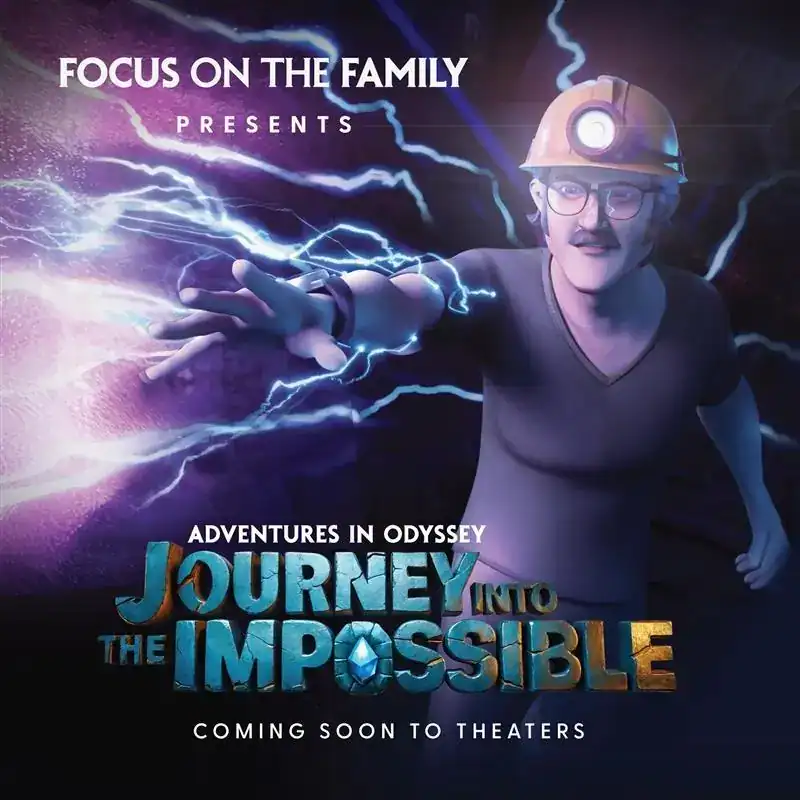
Jim: … you know, for all the donors that support Focus that helped do that, I mean, it, you know, yeah, we’re committed to Odyssey. We have a movie coming out, I think September or October at your theaters, you’re gonna wanna go support the ministry by going. But how did Odyssey help you?
Sarah: Odyssey was amazing. So, I was first introduced to Odyssey in my foster care family. At that time, I believe Chick-fil-A would give a-
Jim: Yeah, we did. Mm-hmm.
Sarah: … tape, yes.
Jim: Mm-hmm.
Sarah: And I listened to one tape, and I suddenly wanted every album that ever existed. Um, but the beautiful thing about Odyssey is it brings the Gospel to, into the child’s life, right? So, you have the mentorship of Whit, you have Connie who comes to maturity of faith, you have Eugene who, uh, during the ’90s, you know, who comes to saving faith, but it’s always introduced in a way that a child can understand. And of course it has many Bible stories. Um, so I was really fed, and nurtured, and discipled through that, through that.
Jim: That’s so good.
Sarah: I mean, as amazing as, I mean, I know that sounds unbelievable, but it is true.
Jim: And you’re not the only one. I mean, thousands of now adults-
Sarah: Right.
Jim: … said that when they were children, Odyssey was what gave them the foundation.
Sarah: Yeah.
Jim: So, you know, you go to Sunday school and that’s really good and helpful, but when you could do that radio drama-
Sarah: Yes.
Jim: … and, uh, you know, envision these stories unfolding in what you perceive as a child to be a real-life place-
Sarah: (laughs)
Jim: … And Whit a real character-
Sarah: Right.
Jim: … you know, the grandpa you never had and-
Sarah: Right.
Jim: … you know, just all those great lessons.
Sarah: Mm-hmm.
Jim: And the writers are spectacular. Paul-
Sarah: Yes.
Jim: … and so many others, Dave Arnold, and, uh, we’re so grateful for the talent of being able to do that. And we’re looking forward to that movie and the 13 episodes that are gonna stream after that.
John: Yeah, you can find out all about this new animated Adventures in Odyssey film. We’re so excited about it. Learn more about it and support the work. It’s gonna take a lot of, uh, financial resources-
Jim: (laughs)
John: … to get this project off the ground, and you can start by going to focusonthefamily.com/broadcast.
Jim: Speak to the adoption now. The Christian family that said, “Yes we’ll adopt Sarah.”
Sarah: Sure.
Jim: Wow. Tell me about that emotion.
Sarah: Yeah. So, um, at nine, so 1999, um, the state had terminated my par- my mother’s parental rights, which of course is a tragedy on its own, and um, terminated her rights for myself and for my three younger siblings. Um, my older siblings unfortunately were in group homes, or they aged out of foster care. It was very tragic to witness and see, um, but I remember my adoption day very specifically, um, because I had to go before a judge and I actually threw up before the whole event. Um-
Jim: Just being so nervous?
Sarah: So nervous, so nervous. And the judge asked me, it was like a moment of decision moment, which I think is very unusual, but the judge asked me in front of, um, my foster family, you know, petitioning to adopt me where I wanted to live.
Jim: Hmm. You’re nine?
Sarah: I’m nine.
Jim: Yeah.
Sarah: I’m nine. And, um, I knew enough, again, that I would not survive in that environment anymore, but it was devastating and heartbreaking all at the same time and also relieving-
Jim: Yeah.
Sarah: … at the same time, right? Um, so at that point, I was given a huge gift though, which was permanence, which every child needs-
Jim: Yeah.
Sarah: … is permanence. And that was the gift that began to mature me and help me grow my relationship with Christ, um, and really shifted the direction of my entire life-
Jim: Yeah.
Sarah: … after that moment.
Jim: I so feel what you’re talking about.
Sarah: Mm-hmm.
Jim: I really do. I had to tell my dad I didn’t wanna live with him when I was 10 ’cause that’s what my siblings thought needed to happen.
Sarah: Mm-hmm.
Jim: And it’s true, he was an alcoholic, it wasn’t healthy-
Sarah: Mm-hmm.
Jim: … and I moved in with my brother, but to say that to him-
Sarah: Mm-hmm.
Jim: … and he just got up, came over, hugged me and said, “I love you.”
Sarah: Yeah, and the pain for, you know, that I went through later on as a teenager and things like that, of this belief that was circulated that I somehow chose this-
Jim: Right.
Sarah: … at nine.
Jim: Right.
Sarah: Right? Um, I had nothing to do with it. You know, I answered the question, but it was already decided-
Jim: Yeah.
Sarah: … that my mother’s rights were terminated. Um, so it’s very painful. It’s very difficult.
Jim: Well, and the beautiful way that you described that in your heart, you know, this is safety.
Sarah: Right.
Jim: Making this decision puts me in a place where there’s food and love and-
Sarah: Right.
Jim: … comfort and over here, it’s chaos-
Sarah: Mm-hmm.
Jim: … and danger, and I don’t know if I’ll be able to eat.
Sarah: Mm-hmm.
Jim: Those aren’t very good choices.
Sarah: Right.
Jim: I mean, really-
Sarah: They’re not.
Jim: … the other one is without your mom whom you love.
Sarah: Right.
Jim: And, uh, speak to that, uh, you know, that other thing that some people that haven’t been in this situation, the unbelievable love a child can have for their parent, as imperfect as they are.
Sarah: Mm-hmm.
Jim: It is amazing-
Sarah: Mm-hmm.
Jim: … how we can love as a child-
Sarah: Oh.
Jim: … through all the bad stuff.
John: Mm-hmm.
Sarah: Oh, I adored my mother.
Jim: Yeah.
Sarah: I loved her with all my heart. I never wanted that to happen. I never wanted that to be my life story, uh, to leave her. Um, and I always wanted her to improve. I wanted it … I believed I had this childlike, you can call it being naive, but I believed she would pull through and things would improve, but time and time again, I learned that it didn’t improve, you know? Um, but the love never changed. The love never changed.
John: Mm-hmm. Sarah, uh, if I have it right, your adoptive mom had, uh, an abortion element to her story and-
Sarah: Yes.
Jim: … and her story has led you to this point of-
Sarah: Mm-hmm.
Jim: … speaking so boldly for life.
Sarah: Mm-hmm.
Jim: Is that right?
Sarah: That’s correct, yes. My adopted mother is another heroine in my life. She, uh, she had an abortion in Milwaukee, Wisconsin-
Jim: Mm-hmm.
Sarah: … uh, when she was in her 20s and, um, that was the only pregnancy she ever had.
Jim: Ah.
Sarah: Um, and she came to her moment of decision at the age of 40 and cried out to God because she was suicidal over that abortion-
Jim: Mm.
Sarah: … and, um, was convicted that that was ending His, His child’s life, the Lord’s child’s life, um, and then started her own healing journey. And, um, after her healing journey, she began counseling other women, um, on the post-abortion recovery. And seeing her witness, um, really inspired me. She would hold a sign outside facilities that said, “I had an abortion. Please come talk to me.”
Jim: Wow.
Sarah: And, um, I got to witness that, that devotion.
John: Mm.
Sarah: Um, and I also got to witness her ministry, or I would, let’s say, her attempt at ministry to my mother of healing, of what it looks like to heal from this. God can forgive you. God will forgive you.
Jim: Yeah.
Sarah: You know, and you can be set free.
John: Mm.
Jim: You know, I wanna ask this tenderly ’cause so often in doing foster care, you’re given a sheet, are you able to accept, and then there’s a whole list of things.
Sarah: Mm-hmm.
Jim: Food hoarding, head knocking-
Sarah: Mm-hmm.
Jim: … uh, it can be lighting fires.
Sarah: Mm-hmm.
Jim: I mean, there’s no normal box.
Sarah: Right.
Jim: I remember filling that sheet out and I looked at Jean, sexual orientation issues, all kinds of things.
Sarah: Mm-hmm.
Jim: And you look at that list, and you go, wow, okay, what are you willing to check-
Sarah: Mm-hmm.
Jim: … that you’re willing to bring into your home?
Sarah: Mm-hmm.
Jim: Peaceful, Christian home.
Sarah: Mm-hmm.
Jim: And, uh, again, uh, in our experience, uh, we had one child who was a food hoarder ’cause they probably had the same circumstance you had.
Sarah: Yeah.
Jim: And every morning we started with him and he would say, “Can I have a bowl cereal? Can I have pancakes? Can I have toast? Can I have bacon?”
Sarah: Mm-hmm.
Jim: Can I? And he, this mound of food I would make for him. I mean, this went on for like three months. And then one day it’s like he figured it out that if he asked for it, it would be there, and that was the last time he did it.
John: Mm.
Jim: It was just the, the weirdest thing. It’s just like, that he just needed to know-
Sarah: Mm-hmm.
Jim: … which we would call food security-
Sarah: Mm-hmm.
Jim: … that if he asked for it, it would be there, and then he just went back to a bowl of cereal.
Sarah: Mm-hmm.
Jim: And I was just really attentive to that in that moment.
Sarah: Mm-hmm.
Jim: All he needed. And, you know, yeah, we threw a bunch of pancakes away. What’s the big deal?
Sarah: Right, right.
Jim: Um, but it changed him and his ability to be secure that he had a place to eat.
Sarah: Mm-hmm.
Jim: I mean, that’s what we’re talking about in that context. Do you feel like when you look back on your life, did you come into that, uh, foster and adoptive situation with baggage?
Sarah: Oh.
Jim: What were the boxes for you?
Sarah: Oh, 100%. Absolutely. No doubt. I, um, I saw many Christian counselors, um, I saw psychiatrists, I saw many different, um, specialists and mental health things. Um, I had food, I had issues with food disorders.
Jim: Wait, come on, that’s completely reasonable.
Sarah: I mean, it’s just the truth.
Jim: Right.
Sarah: Your body remembers the trauma you’ve experienced.
Jim: Yeah.
Sarah: Um, and, um, that was true for me. So, I had to go through a lot of healing and recovery from that time in my life.
Jim: Yeah.
Sarah: Um, but my Christian foster care parents, later adoptive parents, provided that support. They provided; there were times as a teenager I was suicidal. I mean, it wasn’t pretty, you know, but it was Christ throughout it and them alongside me.
Jim: Wow.
John: Mm.
Sarah: Yeah.
Jim: I mean, just steady-
Sarah: Steady. Consistent.
Jim: … and consistent.
Sarah: Absolutely.
Jim: I mean, that’s so good. I mean, we would look at you today and how you’re expressing yourself. We’re going, “Wow, she’s an amazing woman.” But you had difficulty.
Sarah: Yes, I did.
Jim: I just wanna make sure that is there and people know that. You have to work out those things.
Sarah: Yeah. Yeah. And then too, the tragedy in my family, um, not to be so sober with you today, but the tragedy with my family is I’ve had three siblings pass away.
Jim: Mm.
Sarah: Um, both … And then my mother passed away and my stepfather passed away, so a lot of tragedy. And a lot of that comes from the ramifications of the abuse-
Jim: Yeah.
Sarah: … and the pain they experienced in their life.
Jim: You know, Sarah, this is an extreme situation, obviously-
Sarah: Yes, yes.
Jim: … and, you know, all the degradation that you were facing. And again, I’m so proud of you. I wish I could’ve been there to be that foster dad for you.
Sarah: (laughs)
Jim: Jean would’ve been right there with you. But, um, I’m thinking of even intact biological homes where things go wrong.
Sarah: Yes.
Jim: You know? It’s the, this is far more desperate, but it’s like every marriage and every family is a stench to Satan and he’s gonna try to crush us at every turn. Look at the unfortunate impact he’s had on marriage in this country.
Sarah: Oh, absolutely.
Jim: But in that context, um, that woman that had that abortion who, you know, many in the church-
Sarah: Yeah.
Jim: … and that’s just a real statistic. Like one in four women have had an abortion and that dataset from what I understand is very similar-
Sarah: Mm-hmm.
Jim: … to the women attending church. Mm-hmm. So, there’s this guilt. There’s this … And, you know, women are so good at bearing guilt.
Sarah: Mm-hmm.
Jim: You really do look at yourselves first and say, “What did I do?”
Sarah: Right.
Jim: How does a woman really feel like God could take that from her, take that sin, and set her free? Is it possible really?
Sarah: Absolutely. It’s just the simple fact of the Cross. The Cross that Jesus died on. He died for the sins of humanity, whatever that sin may be, it covers it. It, it erased. He’s white as snow, and I believe that with all my heart because I’ve seen it with my adoptive mother, and I saw the suffering and the guilt from my birth mother, right? But the Cross levels us all out. We’re all sinful. We all are prone. The Scripture says our hearts are desperately wicked without the Lord. But the Lord wants us to be free and that’s what He wants for that post-abortive woman, to be free of that guilt-
Jim: Yeah.
Sarah: … free of that shame, acknowledging it for what it is first, right? Having, um, moral responsibility, understanding I ended the life of your child, Lord, but then to experience the freedom afterward of, I don’t have to carry this anymore, Jesus bore it for me on the Cross.
Jim: Yeah. That is so good. And I think that’s the main thing that I wanted to get across. If you’re in that spot-
Sarah: Yeah.
Jim: … you just can’t feel it. Maybe you’ve tried, you’ve gone down at your church several times. It just hasn’t felt like it’s gotten to that point where you feel free of that sin-
Sarah: Mm-hmm.
Jim: … give us a call. Uh, we have caring Christian counselors that can help. What in that ingredient, if I could call it that, talking to women, counseling women, working in the pro-life movement, what tends to be the most positive way that a woman can get there? What are those things that pour into her life?
Sarah: So, a couple of things I think are important to remember is that a woman that’s making the abortion decision is often a woman what would be described as a crisis situation.
Jim: Mm-hmm.
Sarah: Not thinking through the future, only thinking about the here and now, right? Um, but what they really need from the Christian community is this understanding of we are going to show you compassion, we’re going to show you understanding about what is going on in your life, and we’re going to help you and unravel how you can raise your child with support. Um, and that’s really important because women in these situations, they don’t have the luxury of judgment, and I don’t say judgment as if, um, we are somehow condoning abortion. We’re never condoning abortion.
Jim: Right.
Sarah: We’re always telling the truth about what abortion does.
Jim: Yeah.
Sarah: But we’re reaching in, we are trying to get in her shoes and say, “Let’s go through it together. Let’s talk, let’s walk through this together. How can I help you before you make this decision? Let’s look at every other way that your life could be and let’s also look at the future of what your life could be.” It’s walking her through that. And if she’s a Christian, um, reaching out to her with, um, the message of the Gospel and the message of hope and that-
Jim: Yeah.
Sarah: … that she will not be in this moment forever.
Jim: I just hope people, women particularly in this situation, will grab a hold of that. Don’t live in that despair, that guilt, that shame, let’s work together to get you to a healthier place.
Sarah: Mm-hmm.
Jim: And you’re doing so much to do that. Thank you for what you’ve done. You know, let me end here because we’ve had this experience. You said you showed up in a night, stained nightgown-
Sarah: Mm-hmm.
Jim: … and a half a bottle of Coke or something, right?
Sarah: Yes. Yes, that’s right.
Jim: That’s so typical. What’s really typical for foster care, which it was true of me, I had a Hefty bag you know, a garbage bag.
Sarah: Garbage bags, yeah.
Jim: … of clothes that I … And when we, we probably had 15 kids come through our home over eight years or so with foster. Always the same story.
Sarah: Mm-hmm.
Jim: It was a trash bag of clothes. So one thing that we’ve done here with the team, Dr. Sharon Ford and the team that work every day to help kids get connected into foster care and foster families, Christians to step up, and I so appreciate what they do each and every day, but they created a suitcase bundle.
Sarah: Mm-hmm.
John: Mm-hmm.
Jim: And so that dignity issue-
Sarah: Mm-hmm.
Jim: … you know, like what you felt.
Sarah: Absolutely. Yeah.
Jim: So, we’re able to supply, you’re able to supply, a duffel bag with a children’s Bible, with a little teddy bear or stuffed animal, with a handwritten note that the team or the church that we work with to put these kits together-
Sarah: Mm-hmm.
Jim: … they’ll sign those cards to that child saying, “You’re worthy. We see you. You’re made in the image of God. We love you.”
Sarah: Mm-hmm.
Jim: And join that. I mean, that is like the easiest thing you can do. We’re not asking you directly to be in foster care, but can you do that? Can we … We’ve given I think 50, over 50,000 of these away to local, uh, foster agencies to work with, and they love it. So, let’s be the light of Christ as Christians. Let’s supply that to show dignity.
In addition, uh, we wanna expose you to the great work of Wait No More, our foster adoption efforts here at Focus. Go to the website, call us, whatever the Lord’s laying on your heart. If he’s saying you can come around and provide help to a foster family, it’s called respite care.
Sarah: Mm-hmm.
Jim: And it’s a word that simply means get around them, maybe go shopping for them, do their laundry, whatever might be helpful to them, and then it just keeps going from there. I love my wife, Jean. When we were talking about this program at Focus, and I got home and she said, “If you’re gonna ask other people to do it, then we need to do it.” And I said, “No, I was the foster kid.”
Sarah: (laughs)
John: (laughs)
Jim: “I paid my dues.”
Sarah: (laughs)
Jim: Isn’t that terrible, now that I think about it. And she just gave me that great wife eye.
Sarah: Mm-hmm.
Jim: Like, “That sounds dumb.”
Sarah: A lot of Christians think the only way to, to support foster care efforts is to foster themselves, but the foster care community needs support in a lot of other ways.
Jim: Yeah, they have found, we have found it.
Sarah: Yeah.
Jim: Like a five to one ratio for every … If in your church a family does foster care, if five families will just gather around them-
John: Mm-hmm.
Jim: … and help them with the things that I’m talking about, shopping and other things, they’ll be very successful in that.
Sarah: Mm-hmm.
Jim: They just need help. They need a weekend break, all those kinds of things.
Sarah: Right.
Jim: So, Sarah, with all of that, just thank you so much for being with us. I am already, I just wanna be your, your dad.
Sarah: (laughs). Thank you.
Jim: I just so appreciate … I’m so proud of you and what you’ve done. I’m grateful you were here for the internship-
Sarah: Mm-hmm.
Jim: … all those years ago. You’re like my star person.
Sarah: (laughs)
Jim: And listen to Odyssey and just God bless you, as He obviously has been doing, since you were born, and even before you were born-
Sarah: Mm-hmm.
Jim: … He was in your corner.
Sarah: Yes.
Jim: Nothing better.
Sarah: Covenant of love. Yes.
Jim: Covenant of love.
John: Yeah. Yeah. Well, learn how you can get activated and maybe start praying about what you can do to get involved in the foster care effort and to make a difference for life right where you are. Please donate to our efforts here that we’ve talked about when you call 800, the letter A, and the word FAMILY, or online at focusonthefamily.com/broadcast.
And thanks for joining us for Focus on the Family with Jim Daly. I’m John Fuller inviting you back as we once again help you and your family thrive in Christ.